

Why Is My Betta Fish Bloated? Causes, Symptoms, and Prevention

A bloated betta fish can bring anxiety for a first-time owner or any fishkeeper for that matter. While bettas have a reputation for hardiness and an ability to survive in poor conditions much longer than other fish species, this doesn’t mean they’re above illness.
Bloat is one of the most common illnesses for betta fish, and it can be scary to see your betta with an inflated tummy.
Not to worry, though. Betta fish bloat is mostly curable.
🐠 If you want to be 100% certain you’re giving your betta its best life, try our interactive course with exclusive, in-depth video tutorials you won’t find anywhere else.
Products We Trust

Aquarium starter kit with filter and gravel cleaner

Water conditioner to be used with every water change to kill bacteria in tap water

Fish flakes for betta fish

Can be used as a laxative for fish

Epsom baths can help with constipation

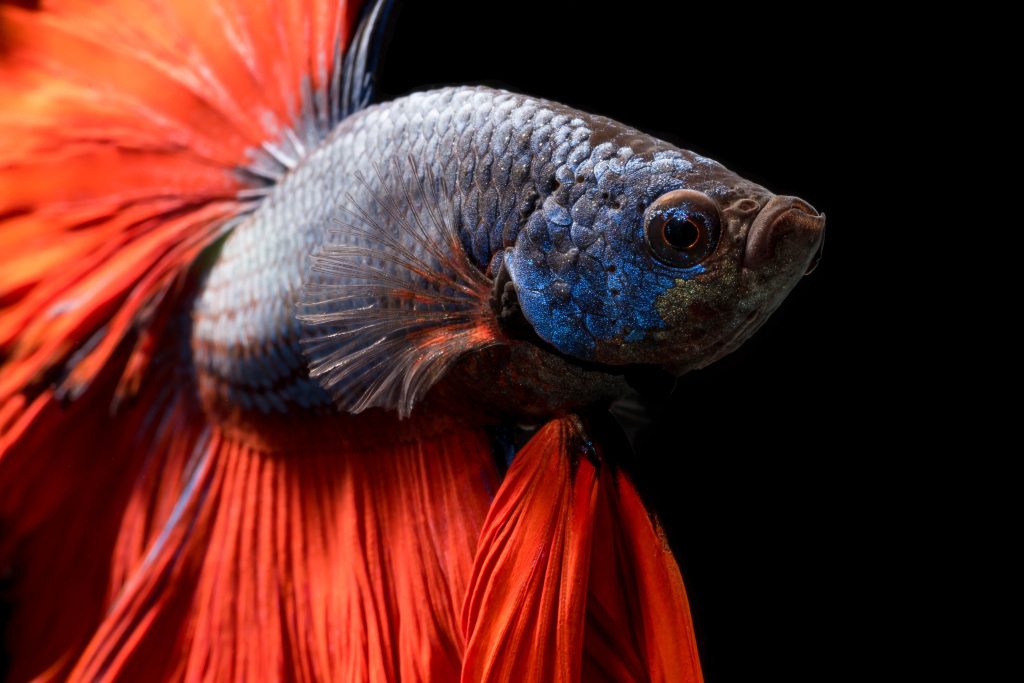
What Does a Bloated Betta Fish Look Like?
A bloated betta fish has an enlarged, protruding belly. This condition can affect both sides of your betta or just one, causing him to appear lopsided.
Bloat will often cause betta fish to have trouble swimming, causing them to get stuck at the surface or bottom of the tank. And getting stuck at the bottom of the tank can be lethal for your betta, as he’ll be unable to get to the surface to breathe.
What Are the Symptoms of Betta Fish Bloat?
The best indicator of bloat in betta fish is a swollen, protruding belly. It may affect one or both sides of the fish, causing him to swim sideways or lopsidedly. Here are some characteristic symptoms of bloat that you can look out for:
- Stomach swelling on one or both sides of the fish
- Inability to defecate
- Getting stuck at the top or bottom of the tank
- Looking fatigued or unconscious
- No interest in food
What Are the Causes of Betta Fish Bloat?
Betta fish bloat is caused by several conditions. These conditions have characteristic symptoms that can help you pinpoint the exact problem. Here, we’ve outlined the causes of betta fish bloat, their symptoms, and treatments
Betta fish suffering from constipation have a much higher chance of survival than those with dropsy. When dealing with a constipated betta, you might notice the following symptoms:
Constipation
Constipation is the most common cause of bloating in betta fish. The condition is not fatal in itself, however, constipation can be a tell-tale sign of fatal diseases in betta fish.
Symptoms of Constipation in Betta Fish
Inability to Pass Stool
If you don’t regularly check on your betta fish, this symptom will be hard to notice. This is, however, the clearest sign of constipation. Knowing this, you’ll want to check for droppings in your pet’s aquarium.
Fish dropping is often long, stringy, and black or brown in color, but can resemble the color of your fish’s feed. Depending on how often you feed your betta and the water’s temperature, you should be able to spot a few strings of feces a day.
Given their simple gastrointestinal tract, a betta should poop at least once a day. Watch out for accumulated feces, as they can be easily mistaken for fresh fish poop. Gravel vacuum the bottom of your betta’s aquarium to get rid of any accumulated feces before you begin checking.
Loss of Appetite
A good appetite is a sign of a healthy betta fish, so you’ll notice if your betta isn’t eating quite easily. Bettas are rarely ever full, but constipation can be one reason they aren’t eating.
Causes of Constipation in Betta Fish
Inadequate Exercise
If you keep your betta in a small tank, he’s likely not getting enough exercise. Lack of exercise can contribute to a constipated betta fish.
Poor Diet
Overfeeding your betta fish can cause him to become constipated. Betta fish have receptors in their stomachs that signal to their brains when they’re full. But, your betta may continue to eat even after he’s full.
What’s worse, overfeeding your betta fish can introduce life-threatening toxins into his water.
A diet of low-quality feed can also result in constipation. If you feed your betta only fish flakes and freeze-dried food, he may become constipated.
Lastly, the low water temperature can be responsible for betta fish constipation. Low temperature slows the digestive process in fish, resulting in a constipated betta.